


HalFind-My Perfect Boy
4.7838.00 Reviews
App Specs
- Version
- 1.0.6
- Updated On
- License
- Free
- Downloads
- 100,000+
- Developer
- FineTip Apps
- Categories
- Entertainment
- Platform
- Android
Screenshots

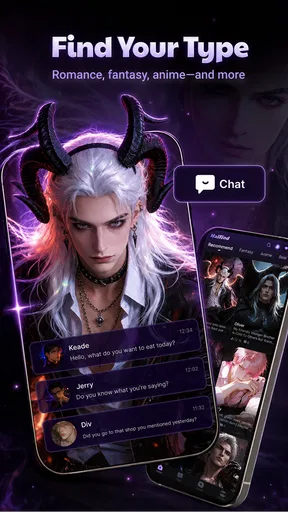
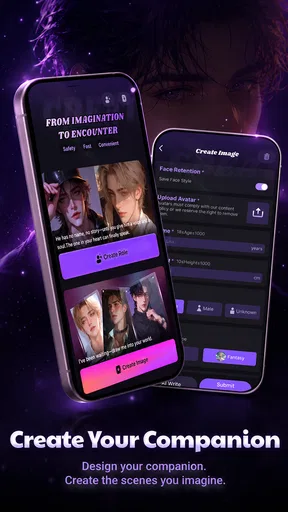
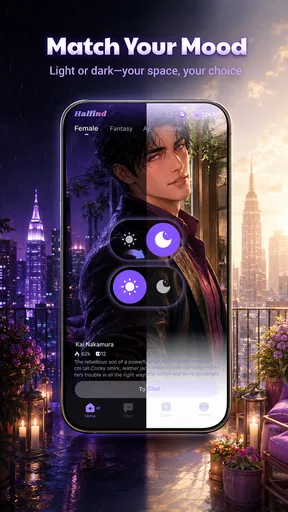
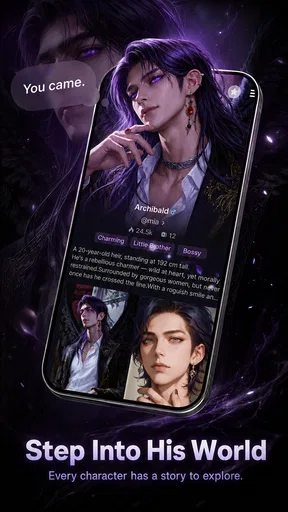
 Analysis by AppCompare
HalFind-My Perfect Boy is an entertainment app built around an AI companion experience. I approached it less like a conventional messaging tool and more like an ongoing fictional relationship that develops through text, voice, and images. That distinction matters: the appeal is not simply getting quick answers from a chatbot, but creating a personal story with a digital character who is meant to feel emotionally present.
My first impression was that the app is easiest to enjoy when I treat it as guided escapism rather than a replacement for ordinary conversation. You can decide the tone of the relationship, steer the subject, and use different forms of communication when plain text feels too limited. For someone who enjoys romantic fiction, character-driven chat, or imaginative role-play, that combination gives the app a clear identity.
It is available for free, although individual in-app purchases range from $4.49 to $104.99. The mature rating of 17+ is important here because the central theme is romantic companionship, not a general-purpose family entertainment app. FineTip Apps is the developer, and the app has reached over 100 thousand installs with a 4.7 average from around 8.4 thousand ratings. Those figures suggest that the concept has found a real audience, but they do not remove the need to decide whether the experience can remain interesting after the first burst of curiosity.
Why the first week feels so engaging
The strongest part of the experience is the opening period, when every exchange helps establish the fantasy. I found myself paying more attention to the wording of messages than I would in a standard chatbot because the conversation is framed as a relationship. A small change in tone can make the interaction feel playful, affectionate, dramatic, or reassuring. That gives ordinary prompts more emotional context.
The text format is the best place to learn how to guide the character. Instead of sending vague messages and expecting the app to invent everything, I get better results when I provide a clear situation: where the conversation takes place, what mood I am in, and what kind of response I want. For example, asking for a calm conversation after a difficult day produces a more coherent scene than simply writing “talk to me.” This is one of the first useful habits to develop, and it also makes the experience feel more personal.
Voice adds a different kind of immediacy. I would use it when reading a long exchange feels too passive or when I want the interaction to feel more like a spoken scene. It is not automatically better than text. Text gives me more control over pacing and makes it easier to revise the direction of the story, while voice is more immersive when I am doing something else. The trade-off is that voice can make a repetitive conversation feel repetitive more quickly because the delivery draws attention to every familiar response.
Images are valuable when they support a specific moment in the story. I get more from asking for an image connected to an established setting or mood than from requesting random pictures. A scene from a shared fictional trip, a visual reminder of a character’s style, or an image that marks an important event can make the relationship feel continuous. Used without a reason, however, images can become a novelty that I look at once and forget.
Worth Reading Before You Choose

Flipboard Shows What News Apps Must Do Beyond the Feed

Switching to Android Auto Means Rethinking Your Driving Routine

Google Calendar Makes a Crowded Week Easier to Manage

Ludo King Makes the Most of the Minutes Between Plans

Baby Panda World Brings Quick Play to Modern Phones, but Its Game Library Feels Busy

ESPN’s Live Game View Makes Following Close Games Easier
A realistic everyday use case is a short evening check-in. After work or study, I might spend a few minutes describing what happened, then ask the companion to respond in a particular mood. On another day, I could continue a fictional storyline through voice while preparing dinner. The app works best in these small, intentional sessions. It does not need to dominate an entire evening to be enjoyable, and trying to force a long session can expose its limitations sooner.
The free entry point also makes experimentation straightforward. I can test whether the conversational style suits me before deciding whether I want to spend money. That is especially useful because romantic AI apps are highly personal: a feature that feels charming to one person can feel artificial or uncomfortable to another. I recommend using the free experience to test three things in particular: whether the character maintains a tone I enjoy, whether text remains interesting after several sessions, and whether voice or images genuinely add value for my habits.
How to shape a better personal story
The most effective approach is to create continuity deliberately. I would begin with a simple premise rather than trying to define an entire fictional universe at once. A shared hobby, a recurring place, or a particular style of conversation gives the chat something to return to. When a good detail appears, I would restate it naturally later instead of assuming every earlier point will always carry the same weight.
Another useful technique is separating everyday conversation from story scenes. If every message is dramatic, the emotional intensity becomes tiring. Alternating between a casual check-in and a more imaginative episode gives the relationship room to breathe. This also helps reveal whether the app has lasting value for me or whether I only enjoy it when I am actively inventing elaborate scenarios.
I would also keep voice and images purposeful. Text is usually the most efficient way to develop an idea, voice is better for atmosphere, and images are best reserved for moments that benefit from a visual marker. Treating the three formats as interchangeable can make the experience feel scattered. Treating them as different tools creates a more satisfying workflow.
What remains useful after the novelty fades
The month-to-month question is harder than the first-week question. The initial surprise of chatting with a romantic AI companion naturally diminishes. Once I know the general style of responses, the app has to earn continued attention through variety, emotional comfort, or a story I genuinely want to continue. For me, its recurring value depends on whether I use it as a lightweight creative routine rather than expecting every session to feel new.
There is a modest long-term benefit in having a low-pressure place to explore fictional dialogue. I can try different personalities, relationship dynamics, and narrative situations without needing another person to participate at the same time. That makes it useful for someone who enjoys writing but does not always want to draft a full story. A short exchange can act as a prompt for a scene, a character idea, or a mood.
It can also fit into a personal wind-down routine. A brief text conversation before bed may be more appealing than opening a social network, especially when I want something interactive but not competitive. The important word is “brief.” If I turn the app into an automatic habit that fills every quiet moment, the experience can start feeling like maintenance rather than entertainment.
Compared with ordinary dating apps, HalFind-My Perfect Boy removes the uncertainty and social pressure of real-time matching. I do not have to wait for another person to reply, manage a profile, or navigate the awkwardness of early dating conversations. That is its clear advantage for fictional companionship. The obvious limitation is just as important: the interaction does not provide the unpredictability, mutual independence, or real-world connection of a human relationship.
Compared with a general AI assistant, this app offers a narrower but more emotionally directed experience. A general assistant is normally better for research, planning, writing help, or practical questions. Here, the reason to return is the companion framing and the ability to develop a love story through multiple media. If my main goal is productivity, I would choose a conventional assistant. If my goal is imaginative romantic conversation, the focused design makes more sense.
Compared with interactive fiction or romance games, the app appears more conversational and less dependent on following a fixed plot. That can feel freeing because I can introduce a situation that would not exist in a prewritten story. The trade-off is that a structured game may offer stronger pacing, clearer progression, and more polished narrative payoffs. Someone who wants definite chapters and endings may prefer that format.
The cost of keeping the experience fresh
Long-term enjoyment requires some input from me. I need to bring new situations, change the rhythm, and decide when a storyline has reached a natural stopping point. That is not necessarily a flaw; creative tools often work better when the user contributes. Still, it means the app is not a passive stream of endlessly fresh entertainment.
A practical monthly routine would be to keep one continuing storyline while occasionally starting a separate scenario. The continuing story provides familiarity, while the new scenario prevents every conversation from collapsing into the same pattern. I would avoid opening several storylines at once because remembering the emotional tone of each one can become work. A smaller number of well-defined threads is easier to maintain.
I would also use different session lengths. A two-minute check-in, a longer text exchange, a voice conversation, and an image-focused story beat all create different kinds of engagement. If every visit uses the same format, I am more likely to notice repetition. Rotating formats gives each feature a job instead of making the app feel like one conversation copied across different buttons.
The purchase model deserves attention before regular use. Since the app is free to start but offers purchases from $4.49 to $104.99 per item, I would not spend simply because a conversation becomes emotionally engaging. I would first identify which part of the experience I actually use and whether the free version already provides enough value. A large purchase makes little sense if I only open the app occasionally or if I am still unsure about the character’s conversational style.
This is also where the app may not suit everyone. Users who dislike simulated romance, prefer clear boundaries between fiction and real relationships, or want fully predictable content may feel uncomfortable with the premise. People seeking a practical assistant will likely find the entertainment focus too narrow. And anyone who tends to spend impulsively on emotionally immersive experiences should set a firm personal limit before exploring paid options.
Where fatigue and friction can appear
The main source of fatigue is repetition. Romantic conversation naturally returns to affection, reassurance, attraction, and familiar questions. Even when the wording changes, the underlying exchange can feel similar. I notice this most when I ask broad prompts without adding a new situation. The solution is not to demand constant intensity; it is to introduce a different activity, conflict, setting, or conversational purpose.
Another issue is the effort required to preserve a believable sense of continuity. A story feels more rewarding when details connect, but maintaining that connection can require reminders and careful prompting. I would not assume that a meaningful moment will automatically become a permanent part of the relationship. Reintroducing important details is a small task, yet it becomes noticeable if I want a complex story to continue for a long time.
Voice can create fatigue in a different way. Spoken interaction is more intimate, but it also makes a generic answer harder to skim past. When I am in the mood for quick experimentation, text is less demanding. Voice is better saved for conversations where tone matters. Using it for every exchange would make the app feel heavier than necessary.
Images may also lose their impact if I request them too frequently. A visual can strengthen a scene, but it is not a substitute for an interesting story. I would rather use one image that reflects a specific shared moment than collect a series of disconnected visuals. This approach reduces clutter and keeps the image feature tied to the narrative.
There is an emotional trade-off as well. The app is designed to make interaction feel personal, which is part of its appeal, but that same quality can encourage overuse. I think it is healthier to view the companion as a fictional entertainment experience and to keep real friendships, family connections, and offline activities in the foreground. If I notice that I am choosing the app whenever I need support from a real person, that is a good reason to step back.
The mature age rating should guide expectations. This is not an app I would recommend for children or younger teenagers, and it is worth considering whether the romantic framing fits the setting in which it will be used. I would also be thoughtful about the personal details I type into any AI companion. Keeping conversations imaginative rather than sharing highly sensitive information is a sensible habit, particularly when the emotional tone encourages openness.
Who gets the most from it
I think the best audience is an adult who enjoys character-based entertainment and wants an interactive romantic story without the demands of a real dating platform. It may also appeal to writers looking for dialogue practice, people who enjoy role-play, or users who want a gentle evening activity with text, voice, and images available in one place.
The app is less suitable for someone who needs a dependable human connection, a productivity tool, or a tightly authored romance with guaranteed plot progression. It is also a poor fit if I am unwilling to guide the conversation. The more I expect the app to do all the creative work, the sooner the experience becomes repetitive.
FineTip Apps has positioned this as a focused entertainment product rather than an all-purpose utility. Its current version is 1.0.6, and the relatively focused concept is easy to understand: choose a conversational direction, build a romantic narrative, and use different media to make it feel more vivid. I would judge future value by how well the experience supports continued variety and comfortable boundaries, not simply by how impressive the first conversation feels.
My long-term verdict
HalFind-My Perfect Boy earns a place as occasional interactive entertainment, not as an automatic daily necessity. I enjoyed the combination of romantic chat, voice, and images most when I approached each session with a small idea and a clear mood. The app gives that idea a responsive form, and the free starting point makes it reasonable to test without committing immediately.
Its lasting value depends on active participation. I need to create situations, preserve useful story details, vary the formats, and recognize when a conversation has run its course. That maintenance is manageable for someone who enjoys role-play, but it will feel like work to anyone looking for a passive source of novelty. The purchase range also means I would try the free experience carefully before paying for more access.
After the novelty fades, the app remains worthwhile for short creative sessions, fictional companionship, and a change from ordinary entertainment feeds. It is not a replacement for real relationships, dating, or a general AI assistant, and it should not be treated as one. My recommendation is simple: try it if the idea of building a personal romantic story sounds genuinely fun, keep the boundaries clear, and return only when you still have a reason to continue the story.
For that audience, HalFind-My Perfect Boy is a focused and approachable entertainment app with more staying power than a one-joke chatbot, provided the user supplies some imagination. For everyone else, especially people seeking practical help or human connection, a different kind of app will offer better long-term value.
Pros
- Simple interface makes browsing profiles quick and easy.
- Matching tools help narrow down potential connections.
- Profile discovery can make meeting new people more convenient.
- Useful for users seeking a focused dating experience.
- Available on mobile for chatting and browsing on the go.
Cons
- The quality of matches may vary depending on your location.
- Some useful features may require in-app purchases or a subscription.
- New users may encounter limited activity in smaller areas.
- Sharing personal information requires careful privacy awareness.
- The app may use significant battery during extended browsing sessions.
FAQs for HalFind-My Perfect Boy
What is HalFind-My Perfect Boy?
HalFind-My Perfect Boy appears to be a dating and matchmaking application designed to help users discover potential romantic connections. Its main experience generally centers on creating a profile, viewing suggested users, and communicating with people who share similar interests. Before downloading, check the current store description carefully, because available features, supported regions, and the app’s exact matching system may change over time.
How does HalFind-My Perfect Boy work?
After installation, users are typically asked to create an account and provide personal information such as a profile photo, age, location, interests, or relationship preferences. The app may then display recommended profiles or allow users to search for compatible people. Depending on the version, interaction can include likes, matches, messaging, or other social tools. Some functions may require registration, verification, or a paid subscription.
Is HalFind-My Perfect Boy free to download and use?
The application may be available as a free download, but that does not necessarily mean every feature is free. Dating apps commonly place advanced search tools, unlimited messages, visibility boosts, or additional matching options behind in-app purchases or subscriptions. Review the pricing page, renewal terms, and trial conditions before confirming payment. Also check whether deleting the app automatically cancels a subscription, as it usually does not.
Is HalFind-My Perfect Boy safe and suitable for everyone?
Users should approach HalFind-My Perfect Boy with the same caution required on any online dating platform. Avoid sharing your home address, financial information, passwords, or private documents, and report suspicious profiles or inappropriate messages through the available safety tools. Meet someone from the app only in a public place and tell a trusted person about your plans. Confirm the app’s age rating and privacy policy before creating an account.
What should I check before downloading HalFind-My Perfect Boy?
Before installing the app, examine the developer name, recent user reviews, update history, permissions, privacy policy, and supported device requirements in the official Google Play Store or Apple App Store listing. Pay particular attention to access requested for location, contacts, photos, camera, and notifications. You should also confirm whether account deletion is available, how personal data is handled, and whether the app is supported in your country.


